Lowsonford is a small canal-side village whose story weaves together ancient fields, a Victorian mission church, and a close-knit rural community in the heart of Warwickshire.
Early origins and setting
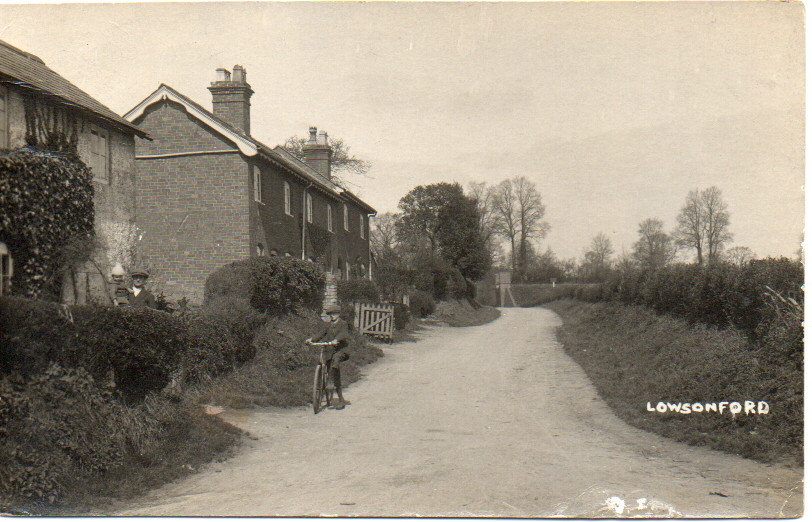
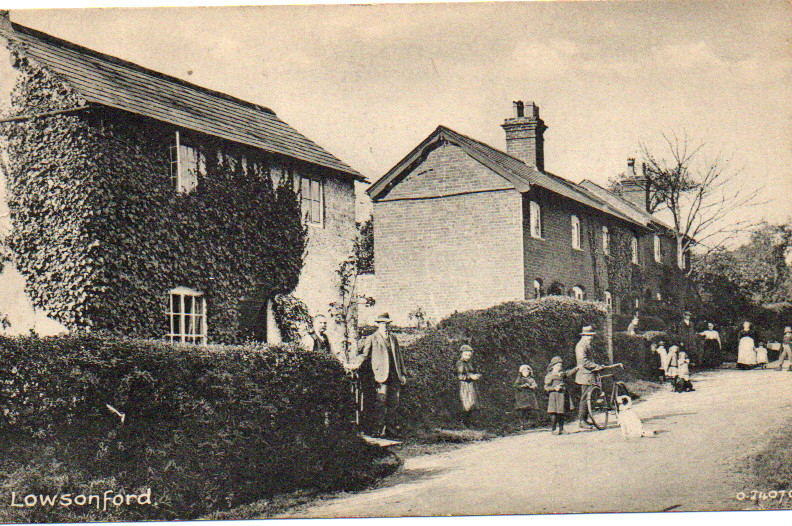
Lowsonford sits in the parish of Rowington, about four miles north‑east of Henley‑in‑Arden, amid gently rolling countryside and old farmland. The wider parish shows Anglo‑Saxon roots, with early settlement in the area between the 5th and 6th centuries and a pattern of open‑field farming that would shape the landscape for centuries. Lowsonford itself began as a small hamlet on the edge of common land, with simple cottage plots straggling along lanes and tracks. Ridge‑and‑furrow earthworks near the church still hint at those medieval cultivation strips and the communal life that once revolved around them.
Growth beside water and road
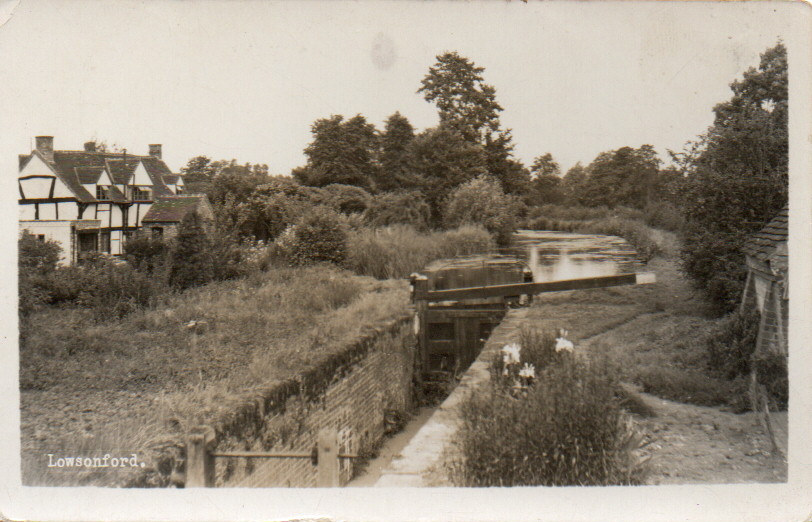
The village’s later growth followed the great routes of transport that cut through rural Warwickshire. The Stratford‑upon‑Avon Canal, with its line of locks and bridges, passes directly through Lowsonford and brought new activity to what had long been a quiet agricultural community. Barges carrying coal, produce, and building materials would once have been a common sight, with lock‑side cottages and wharf buildings serving boatmen and local farmers. Today, the waterway draws walkers and boaters who enjoy the mixture of historic structures and unspoilt countryside along the towpath.
The church of St Luke
Spiritually, the village is centred on the modest church of St Luke, standing close to the canal and lanes. St Luke’s is a relatively small church compared with ancient parish churches nearby, reflecting Lowsonford’s origins as a hamlet within Rowington rather than a large independent parish. Its simple design and intimate interior suit the scale of the village and its congregation, creating a sense of familiarity and continuity from one generation to the next. Services such as Evensong, held on Sunday evenings, continue to mark the rhythm of village life and bring together residents from the surrounding countryside.
Village hall and community life
A key moment in modern Lowsonford’s story was the building of the village hall in 1936 on land beside the canal. Donated by a local businessman, the site allowed the community to create a dedicated social centre with a main room able to seat around seventy‑five people, well matched to the village’s size. The hall quickly became a focus for meetings, clubs, dances, and celebrations, reinforcing the sense of shared identity that binds the scattered cottages and farms into a single community. Its position by the water gives even everyday gatherings a particular charm, especially on summer evenings when light reflects off the canal outside.
Traditions, pubs and events
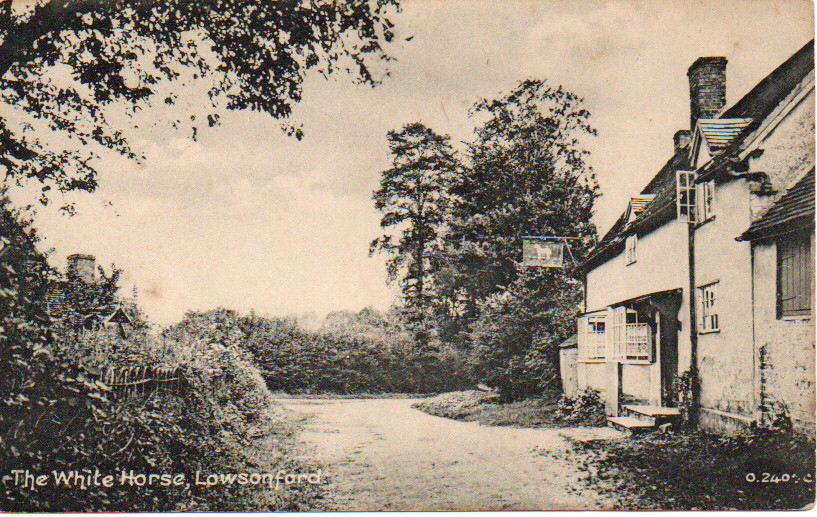
Lowsonford is perhaps best known to visitors for its inns and events, which reflect both local tradition and the pull of tourism. The Fleur de Lys, a historic pub in the village, has long been famous for its pies and stands as one of Lowsonford’s best‑loved buildings, serving both residents and canal travellers. Nearby, the Tom O’ The Wood pub just outside the village is another favourite destination, combining food, drink, and views that draw walkers and families from further afield. Every two years, the community joins with neighbouring Rowington to stage a Village or Flower Show, alternating venues and showcasing produce, crafts, and friendly competition that strengthen ties between the settlements.
Art, reputation and recent decades
In recent decades Lowsonford has attracted attention beyond Warwickshire, sometimes in unexpected ways. In May 2015, a cast‑iron sculpture by renowned artist Antony Gormley was installed by the canal lock, briefly turning the village into a destination for contemporary art enthusiasts as well as countryside lovers. Around the same time, national press coverage highlighted the B95 postcode, which includes Lowsonford, as an area with a high rate of burglary insurance claims, a statistical label that contrasted sharply with the village’s otherwise peaceful, picturesque image. Despite such headlines, daily life continues much as before, shaped more by local relationships, church services, and canal‑side walks than by occasional appearances in national surveys.
People and character today
Today the people of Lowsonford form a small but active community within the wider Rowington parish, sharing facilities, churches, and events. Many residents commute to nearby towns, yet remain closely involved in village affairs, from volunteering at the hall to helping organise the shows and church activities. The setting on the River Avon and the Stratford‑upon‑Avon Canal, together with the pubs, church, and hall, creates a strong sense of place that both long‑term families and newcomers value. For visitors, Lowsonford offers a snapshot of rural Warwickshire life: a canal lock, a church dedicated to St Luke, a hall beside the water, and people whose everyday routines quietly continue a history that began in Anglo‑Saxon fields and common land.