Kenilworth is a historic market town in Warwickshire best known for its magnificent castle, royal connections and long role as an agricultural and commuter centre between Coventry and Warwick.
Setting and modern town
Kenilworth lies in the Warwick district of Warwickshire, close to Coventry, Warwick and Leamington Spa, and forms part of the West Midlands conurbation’s commuter belt. The built‑up area has a population of just over 22,000, making it one of the larger towns in the county while still retaining a distinctly small‑town character.citypopulation
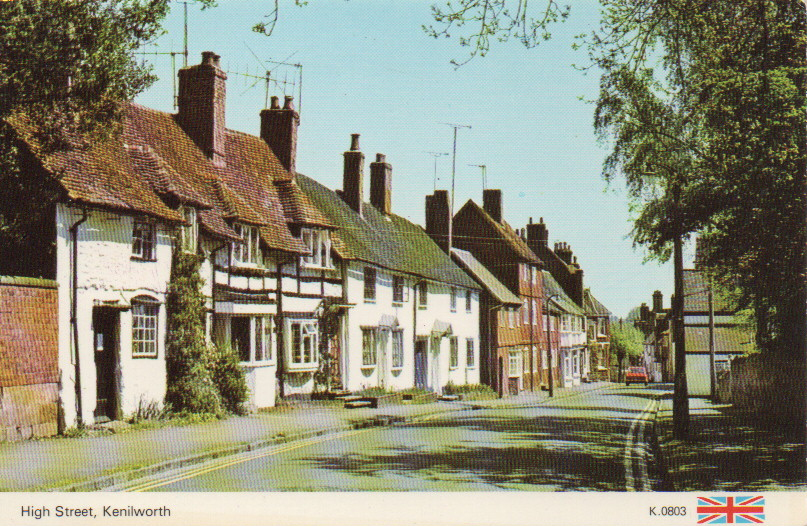
Today Kenilworth functions as a residential and service centre with good road and rail links, modern schools and shops, and a busy local economy. Many residents commute to nearby cities, while tourism, hospitality and local services benefit from the town’s heritage attractions and green surroundings.
Origins and medieval growth
Kenilworth’s recorded history begins in the early 12th century when King Henry I granted land to his chamberlain Geoffrey de Clinton, who founded both Kenilworth Castle and an Augustinian priory around 1120–1122. The priory, later raised to an abbey, and the new fortress formed the nucleus around which the settlement developed as a small service community for the religious house and castle.
Through the High Middle Ages, Kenilworth Castle emerged as a major royal stronghold, successively enlarged by monarchs including King John, who added massive water defences and new fortifications between 1210 and 1215. The town grew as a market and agricultural centre supplying the castle and surrounding estates, with open fields and local trades underpinning daily life.
National events and royal connections
Kenilworth played a notable role in national politics during the 13th century, most famously in the siege of 1266 during the Second Barons’ War, when rebels held the castle for six months before surrendering to Henry III. This is often cited as one of the longest sieges in medieval English history and cemented Kenilworth’s reputation as a place of formidable strength.
In later centuries the castle remained closely tied to the Crown and the great nobles who held it, including John of Gaunt in the 14th century, who converted the fortress into a more palatial residence with an impressive great hall. In the 1570s Robert Dudley, Earl of Leicester, transformed Kenilworth into a luxurious Tudor palace and famously entertained Queen Elizabeth I there in 1575 with pageants, hunting and lavish hospitality.
Reformation, Civil War and decline
The abbey at Kenilworth was dissolved in the 1530s during Henry VIII’s Reformation, its estate broken up and many of its buildings reduced to ruins, leaving only fragments that survive today in the Abbey Fields. After the high Tudor period, the castle’s strategic value declined, although it still figured in royal politics and local administration.
During the English Civil War, Kenilworth Castle was held as a royalist stronghold and ultimately was partially slighted (deliberately damaged) and its great lake drained to prevent further military use. The once‑palatial residence became a romantic ruin, its stone plundered for building, while the town itself settled into the quieter pattern of a rural market and farming community.
Victorian era to present day
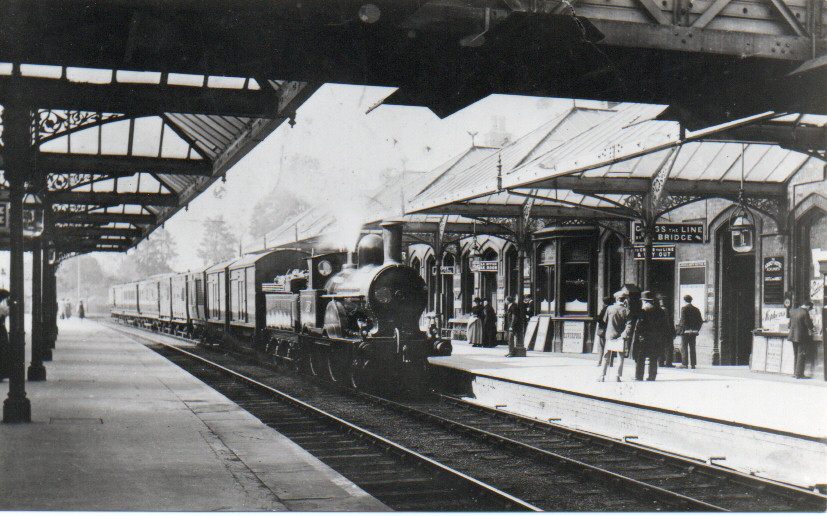
By the 18th and early 19th centuries Kenilworth’s economy rested on agriculture and small industries such as horn comb making, tanning and brickmaking, with markets and fairs serving the surrounding countryside. The arrival of the railway in the 1840s made the town attractive to affluent industrialists from Coventry and Birmingham, encouraging villa building and suburban growth.
In the 19th century Sir Walter Scott’s novel “Kenilworth” helped popularise the castle’s romantic image, drawing visitors and placing the town firmly on the tourist map. Today the castle is managed as a major heritage attraction, while Kenilworth continues to grow as a comfortable residential town that balances historic character, green spaces and modern amenities at the heart of Warwickshire.