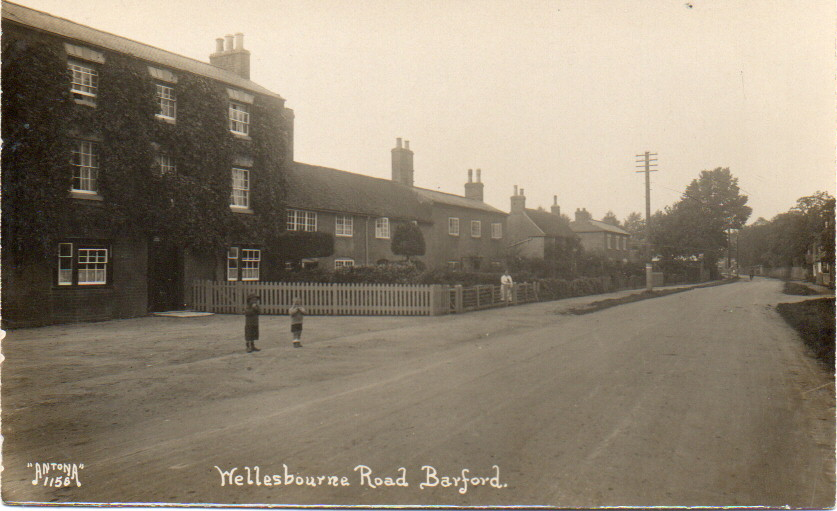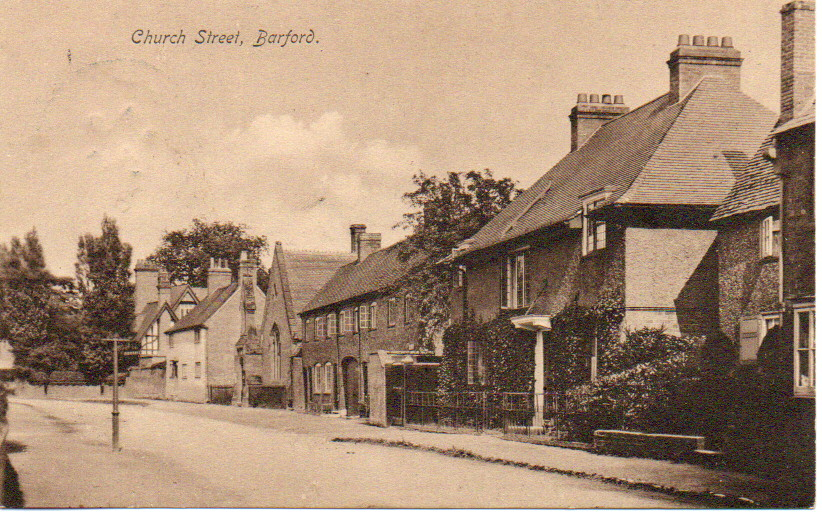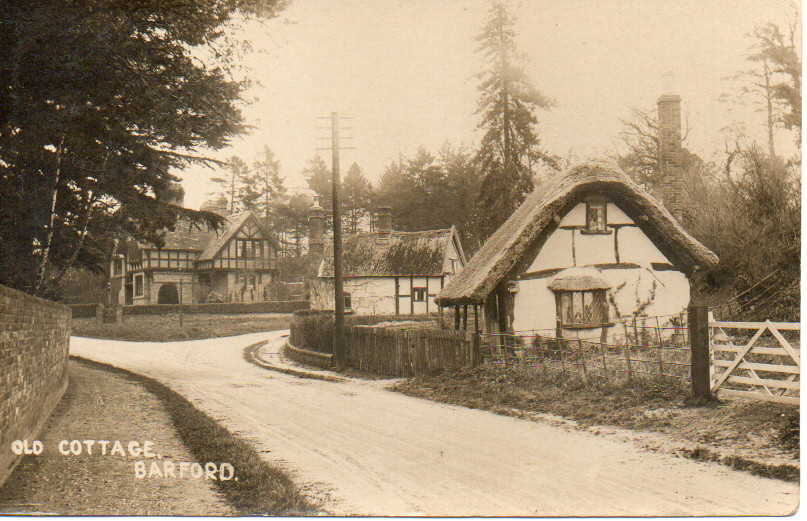
Located on a significant bend of the River Avon,
Barford
Its 2,000-year history is defined by its name—deriving from the Anglo-Saxon Bereford, meaning a “ford that can carry a load of barley”.
Archaeological Origins (Pre-Roman – AD 410)
Long before it was a village, Barford was a center of prehistoric activity due to the shallow river crossing.Iron Age Settlement: Excavations ahead of the M40 construction revealed a significant settlement west of Half Moon Plantation. Finds included a “currency bar” (used for trade) and evidence of internal round huts dating from 200 BC to AD 50.
The Henge & Barrows:
A 4,000-year-old henge (a circular earthwork similar to Stonehenge but without the stones) was discovered just outside the village. Evidence of Bronze Age burial barrows has also been found at the Oldhams’ site.
Romano-British Life:
While the Romans did not build a major town here, they occupied the area. Excavations at Bushey Hill uncovered field boundaries, pits, and an enclosure from the early Roman period. Local inhabitants likely continued traditional farming while interacting with the nearby Roman industrial center at Alcester.
The Saxon & Medieval Village (AD 410 – 1500)
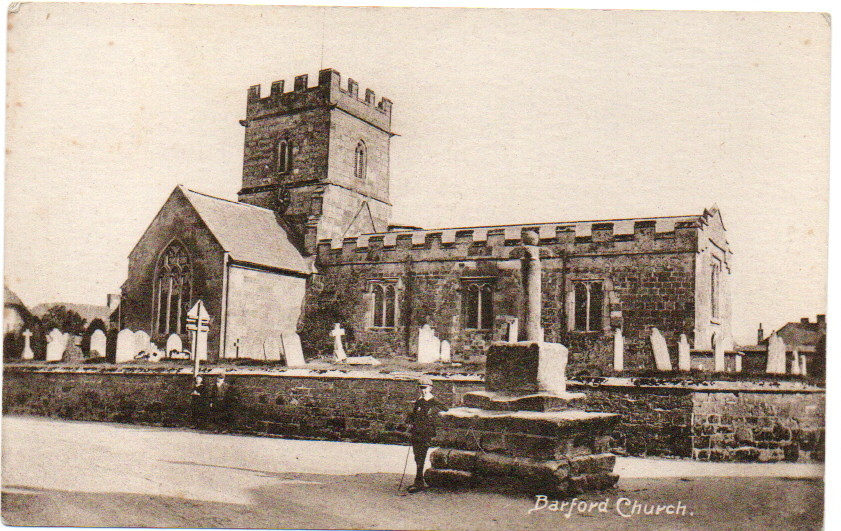
The Barford Community Website notes that the Saxons formed the first recognisable community, attracted by the river crossing.The Domesday Book (1086): Barford (recorded as Bereforde) was a substantial settlement of 22 households. It featured a priest and a watermill, indicating a thriving economic and religious life.Medieval Infrastructure: By 1339, documents confirm the ford was still a vital transit point. The first record of a stone bridge appears in 1484, described as having “eight fayre arches”.St Peter’s Church: The church tower is a rare survivor of the 14th century, built from local Warwick sandstone. It still bears “shot marks” believed to have been made by Parliamentary soldiers in 1642 during the English Civil War.
The Era of Reform: Joseph Arch (1800s)
Barford is most famous as the birthplace of Joseph Arch (1826–1919), a monumental figure in British labor history.Agricultural Revolution: In 1872, Arch founded the National Agricultural Labourers’ Union under the “Wellesbourne Oak”.Political Legacy: Arch went from a local lay-preacher to becoming an MP. His grave in St Peter’s churchyard remains a site of pilgrimage for trade unionists every June.
Modern Life (20th Century – Present)Industrial Shift:
The village mill, mentioned in Domesday, operated until the late 20th century. By 1917, it was even used to generate electricity for local streetlights.
Famous Residents:
In the 20th century, Barford hosted notable figures, including actress Billie Whitelaw (evacuated here during WWII) and Sir Patrick Stewart, who has shared fond memories of his time in the village.Community Preservation:
Today, the Barford Heritage Group actively archives local memories, from the 17th-century timber-framed houses to the impact of the A429 bypass that now skirts the village.